Wood vs. MDF
Solid wood vs. MDF: use each where it wins.
MDF isn't a dirty word and solid wood isn't always the answer. Here's where each material actually belongs, from a shop that works with both every week.
Homeowners often arrive at a consultation with one firm opinion: "no MDF." It usually comes from a bad experience with flat-pack furniture or a big-box shelf. It deserves an honest answer. MDF (medium-density fiberboard) is engineered wood fiber pressed with resin. The big-box versions earn that reputation. The paint-grade material a finish shop uses is a different product: dead flat, stable, and it takes paint better than almost any solid wood.
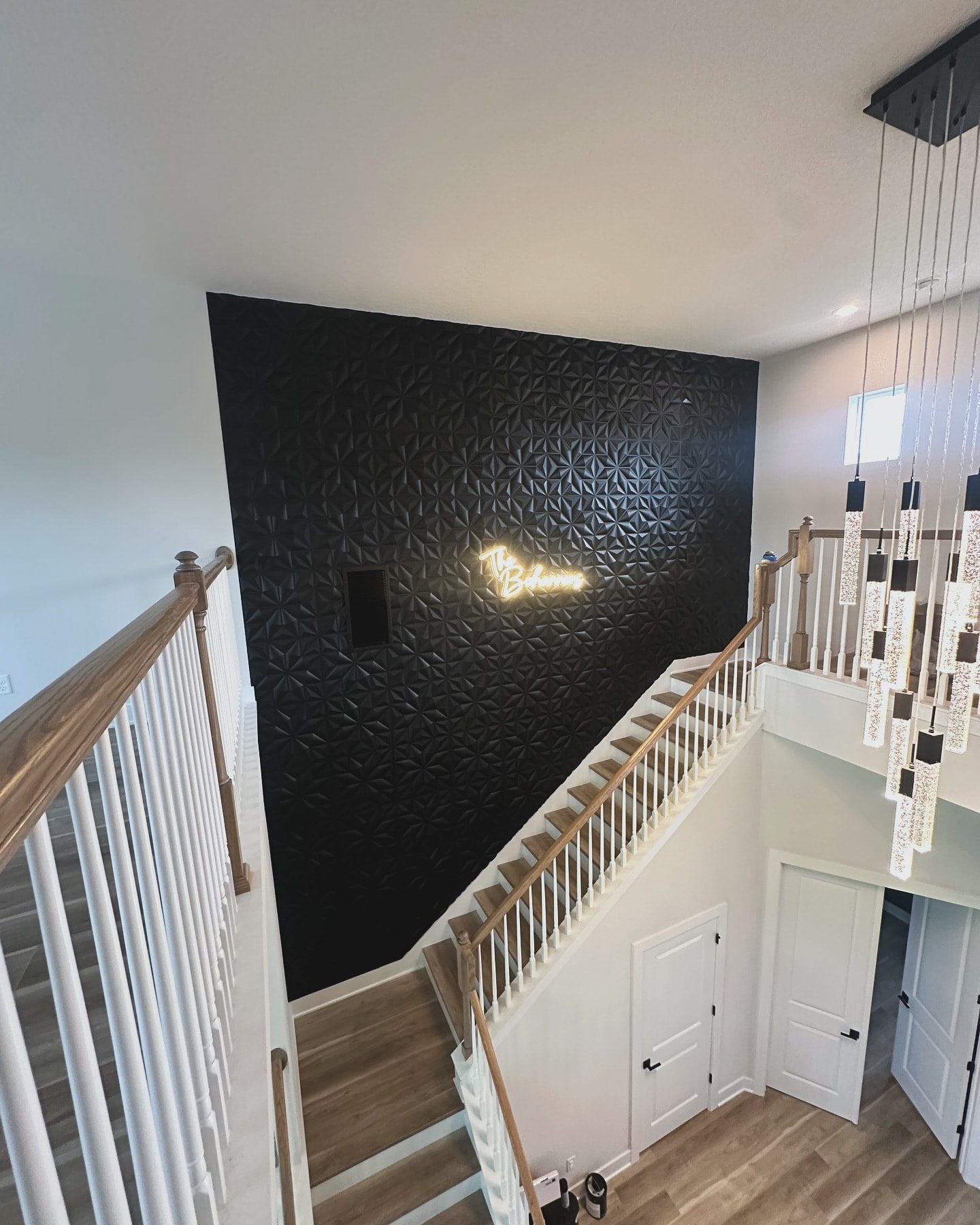
The real question is never "wood or MDF?" It's "which material, in which part of this build?" A painted board-and-batten wall wants MDF's glass-smooth face. A stained floating shelf can only be solid wood. A bathroom or laundry wants moisture-resistant material or poplar. We mix materials inside a single project constantly, and this page explains the logic so you can pressure-test any quote you get, including ours.
Side by side
Painted finish
Solid wood / plywood
Grain can telegraph through paint (especially oak and pine); poplar and maple paint well.
Paint-grade MDF
The win: dead-flat, grain-free faces that spray to a furniture-smooth finish.
Stained finish
Solid wood / plywood
The only option. Stain needs real grain, and white oak, walnut, and pine all stain beautifully.
Paint-grade MDF
Cannot be stained; MDF has no grain to show.
Moisture
Solid wood / plywood
Handles humidity swings well; solid wood moves seasonally but doesn't swell like fiberboard.
Paint-grade MDF
Standard MDF swells if it stays wet; MR (moisture-resistant) MDF or poplar belongs in baths and laundries.
Strength & span
Solid wood / plywood
Solid wood and plywood carry weight: shelving, benches, and anything structural.
Paint-grade MDF
Sags over long spans and doesn't hold screws as strongly; wrong choice for loaded shelves.
Edges & profiles
Solid wood / plywood
Crisp routed edges; takes dings without crumbling and can be sanded out.
Paint-grade MDF
Routs cleanly and paints crisp, but deep dings crush rather than dent, and repairs are harder.
Movement & cracking
Solid wood / plywood
Seasonal expansion can open caulk lines at joints if the design ignores it.
Paint-grade MDF
The other win: stable in conditioned interiors, so long paneled runs stay tight.
Cost
Solid wood / plywood
Higher, meaningfully so for wide solid stock and hardwood plywood.
Paint-grade MDF
Lower for the same painted look, which is why paint-grade shops use it on flat panels.
The honest bottom line
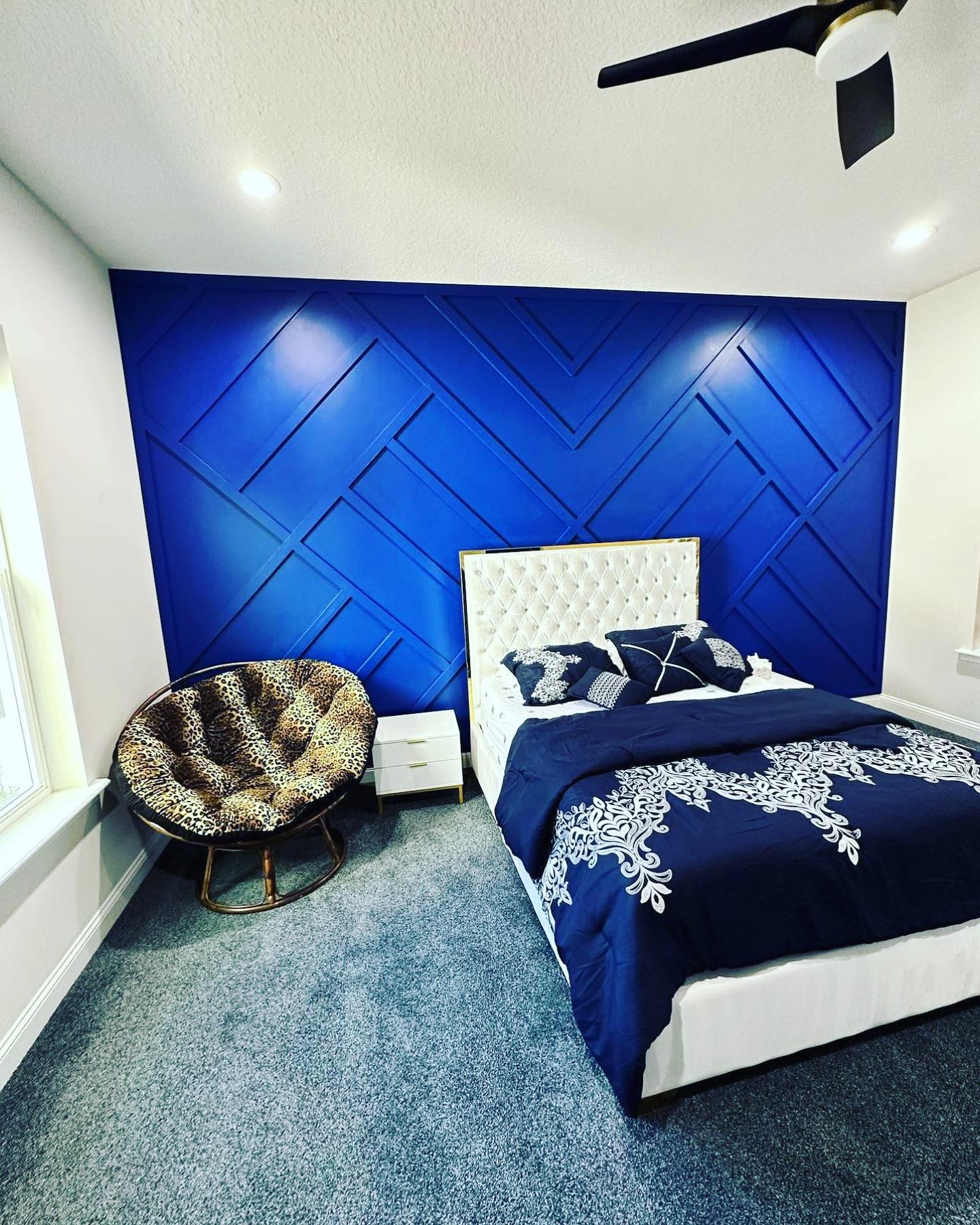
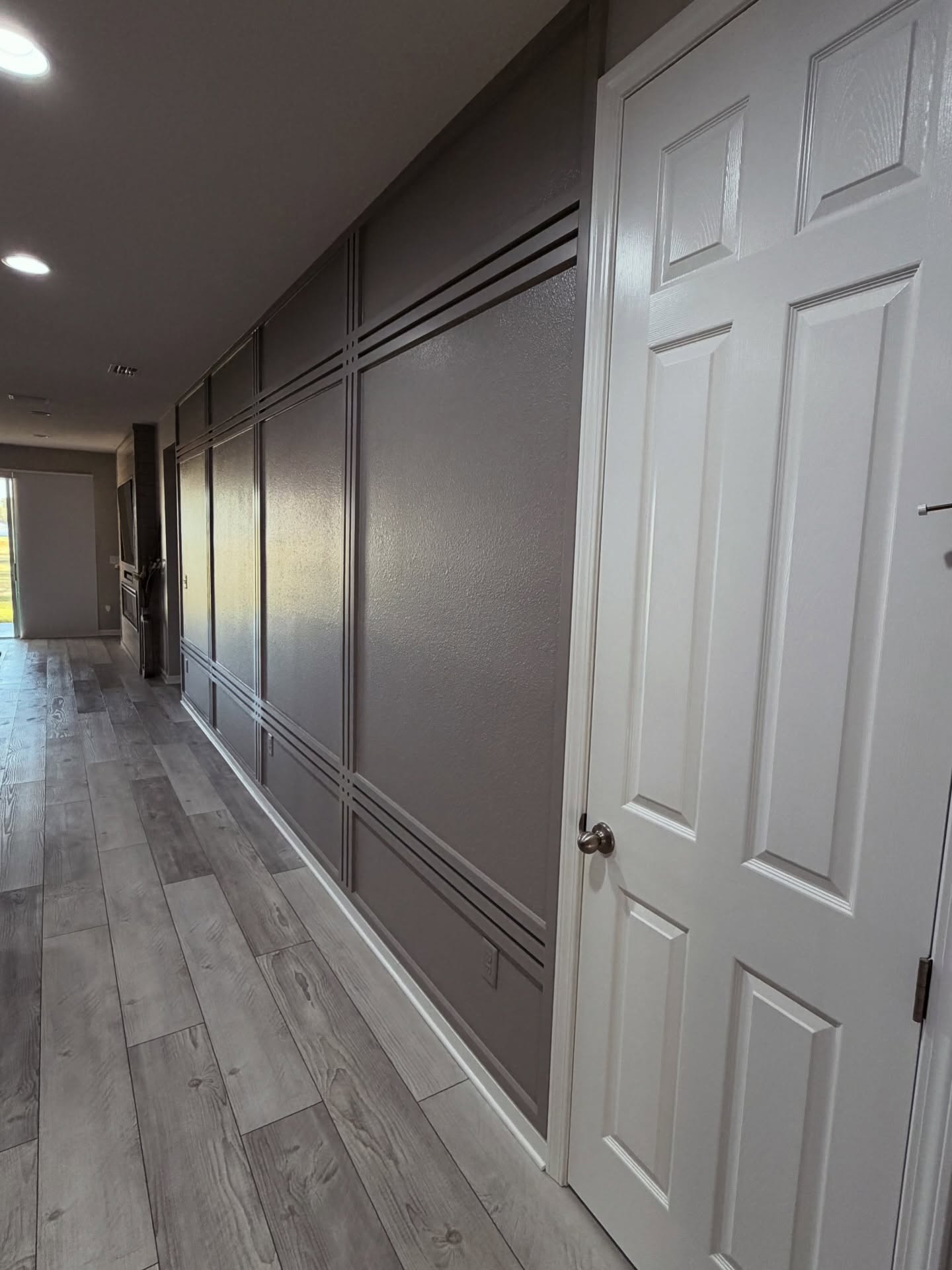
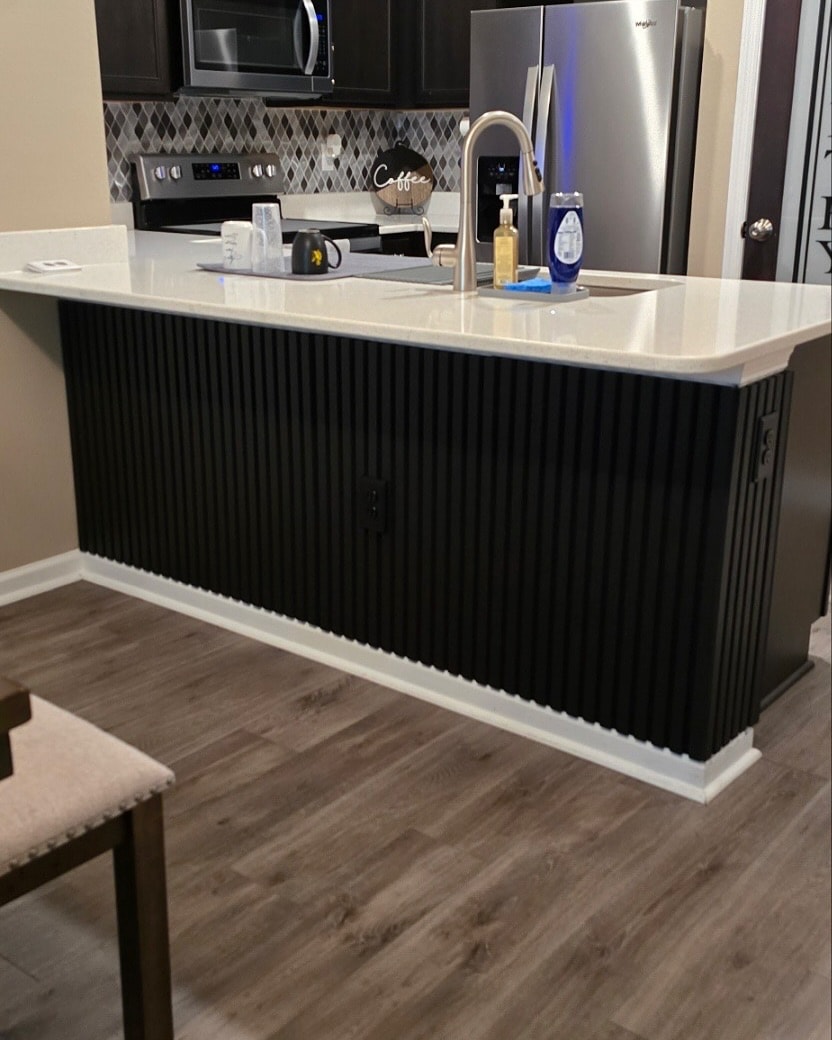
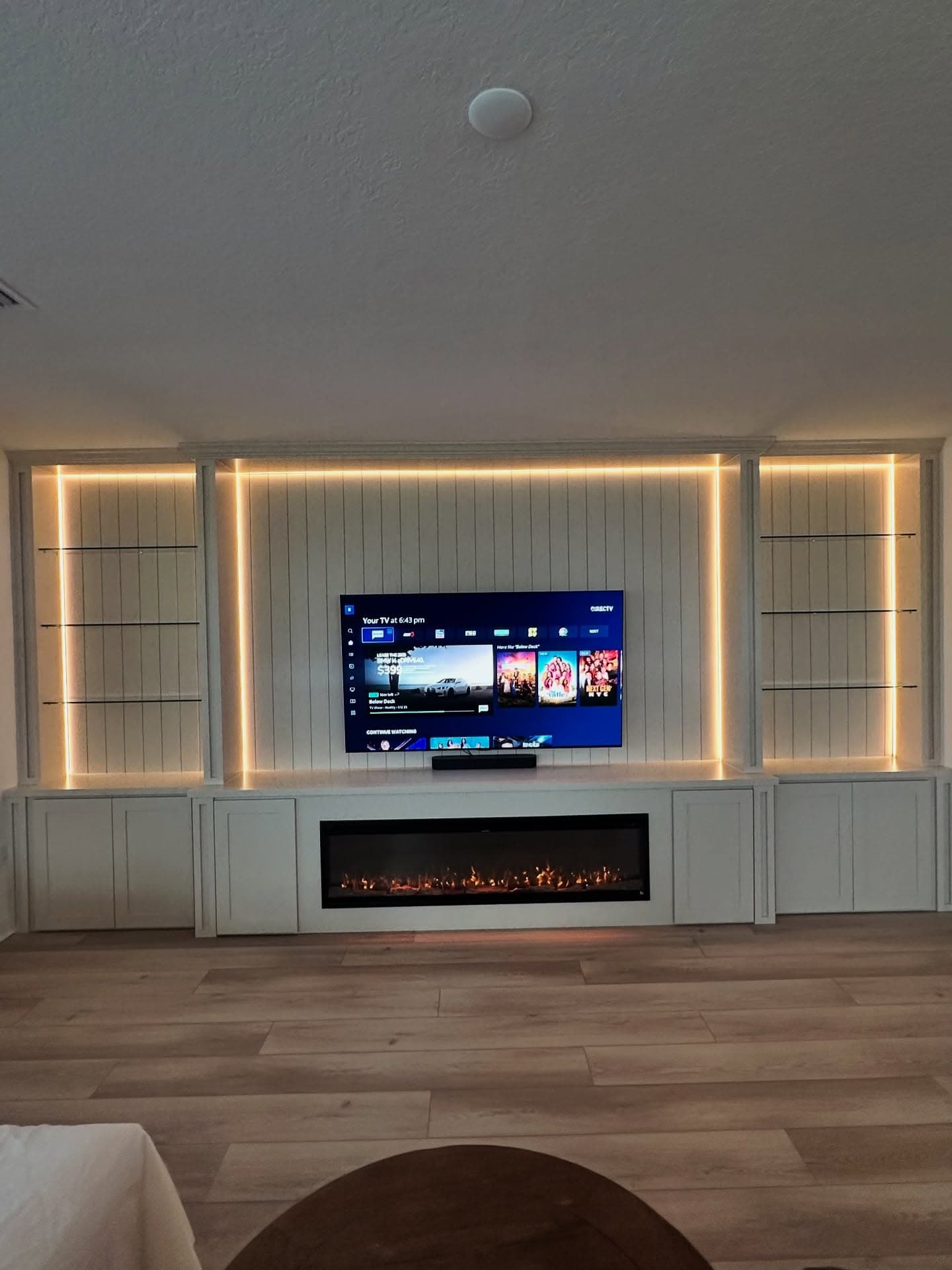
Use paint-grade MDF where its strengths are the whole job: flat painted panels, wainscoting fields, board-and-batten, fluted details, and cabinet doors that will be sprayed. In a conditioned Florida interior it stays flat, keeps caulk lines tight, and out-finishes wood under paint.
Use solid wood or plywood anywhere the material works for a living: shelves, benches, counters, anything stained, anything wet, and every edge that takes daily abuse. This is exactly how we spec our own builds: MDF faces where paint wants flat, wood bones where the load and the wear live. Any contractor who quotes you "all MDF" or "all wood" without asking about finish and use is skipping the thinking.
Questions, answered
Still deciding?
Is MDF bad quality compared to real wood?
Should an accent wall be wood or MDF?
Does MDF hold up in Florida humidity?
What does AVP actually build with?
Don't see your question? Request a consultation.
By consultation
Built to last.
Finished to impress.
We take on a limited number of projects each season so each home gets our full attention. Share your project and we’ll respond within 24 hours to see if it’s the right fit.
Insured · $1M general liability · 230+ Google reviews, 5.0